Southern California Today – An Overview (With Expanded Focus on Los Angeles)
Southern California Today – An Overview (With Expanded Focus on Los Angeles)
Southern California today is still known for sun, beaches, and entertainment, but it has grown into a massive, diverse, and complex region that plays a central role in global culture, technology, and trade.
1. The Region and Its People
-
Scale & diversity
- Greater Los Angeles, Orange County, the Inland Empire, Ventura, and the San Diego–Tijuana area together form one of the largest urban regions on Earth, with well over 20 million people across the US–Mexico border.
- There is no single majority group: Latino, Asian American, Black, white, Middle Eastern, Native, and mixed communities all shape daily life, culture, and politics. Dozens of languages are widely spoken.
-
Economy
- Key sectors include:
- Entertainment and media
- Technology and gaming
- Aerospace and space
- Ports, logistics, and trade
- Tourism and hospitality
- Higher education and research
- Biotech and defense (especially in San Diego)
- Extreme wealth exists alongside very high housing costs, homelessness, and large income gaps.
- Key sectors include:
2. Los Angeles: Global Megacity
2.1 Urban Form and Neighborhoods
-
Polycentric city
- Los Angeles is not a single “downtown + suburbs” city but a patchwork of centers: Downtown LA, Hollywood, Westwood, Century City, Santa Monica, Burbank, Pasadena, Long Beach, and many more.
- Each center has its own skyline, job base, and cultural life, from financial towers downtown to creative offices near the beach.
-
Downtown and skyline
- Downtown LA has a dense cluster of high‑rises, cultural venues, sports arenas, and growing residential neighborhoods.
- It is a mix of:
- New luxury housing and hotels
- Historic buildings converted to lofts
- Arts districts with galleries, restaurants, and performance spaces
- Visible homelessness and social-service infrastructure
-
Neighborhood mosaic
- Hollywood: a tourist magnet (Walk of Fame, TCL Chinese Theatre, studio tours) and an active hub for film, TV, and music.
- Westside & Beverly Hills: luxury retail, high‑end homes, and offices for entertainment, media, and tech companies; intense debates about zoning and housing density.
- Eastside (e.g., Boyle Heights, Highland Park), South LA, San Fernando Valley, San Gabriel Valley: largely working‑ and middle‑class, home to many immigrant communities and some of the region’s most dynamic food, arts, and cultural scenes.
- Long Beach: a city in its own right within the LA region, with its own port, downtown, and neighborhoods.
2.2 Governance, Identity, and Scale
-
City vs. county vs. region
- The “City of Los Angeles” is just one municipality within Los Angeles County, which in turn is just one part of the wider Southern California region.
- Many places internationally thought of as “Los Angeles” are independent cities (Santa Monica, Beverly Hills, West Hollywood, Pasadena, Burbank, Glendale, etc.) but function as part of one continuous urban area.
-
Identity and culture
- LA’s identity is shaped by overlapping communities: Mexican and Central American, Korean, Chinese, Japanese, Filipino, Armenian, Persian, Ethiopian and Eritrean, Salvadoran and Guatemalan, Black Angeleno, queer communities, and many others.
- Cultural life is dispersed: small theaters, music venues, galleries, religious spaces, community centers, and street festivals are as important as big museums and arenas.
2.3 Transportation and Mobility
-
Car and freeway dominance
- Driving is still the main way people move; the freeway network is extensive and often congested.
- Car dependency shapes land use, air quality, commute times, and daily routines.
-
Public transit and active transport
- LA Metro Rail (subway and light rail) now includes multiple lines reaching downtown, the Westside, the Valley, and South LA, with ongoing expansions.
- Metrolink commuter rail connects LA with surrounding counties.
- Bus rapid transit and selective bike and pedestrian improvements support non‑car travel, though coverage and frequency vary.
-
Air travel
- Los Angeles International Airport (LAX) is one of the busiest airports in the world, undergoing major modernization.
- Other regional airports (Burbank, Long Beach, Ontario, John Wayne/Orange County) share the load.
2.4 Economy and Work
-
Creative and digital industries
- Los Angeles hosts major studios, production companies, music labels, streaming platforms, and advertising and design firms.
- It is also home to significant gaming, visual-effects, and animation companies, plus a huge ecosystem of independent creators.
-
Beyond entertainment
- Logistics, trade, aerospace, healthcare, higher education, and professional services employ hundreds of thousands of people.
- Informal and gig work (rideshare, delivery, informal services, off‑the‑books labor) are also common, especially among low‑wage workers and immigrants.
2.5 Housing, Inequality, and Urban Challenges
-
Housing crisis
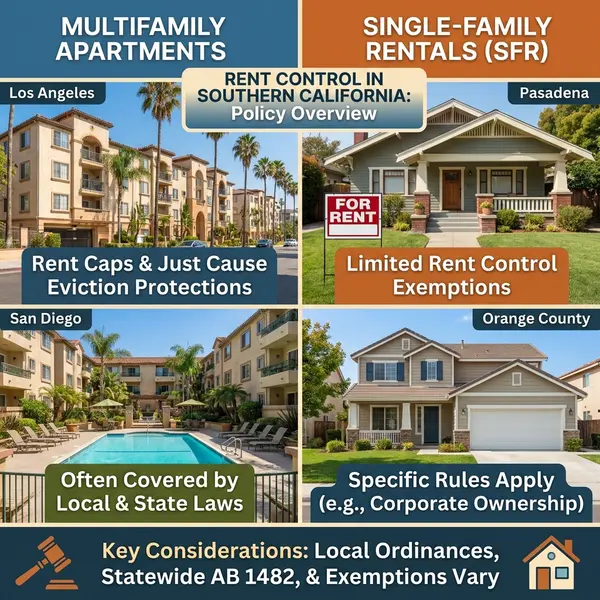
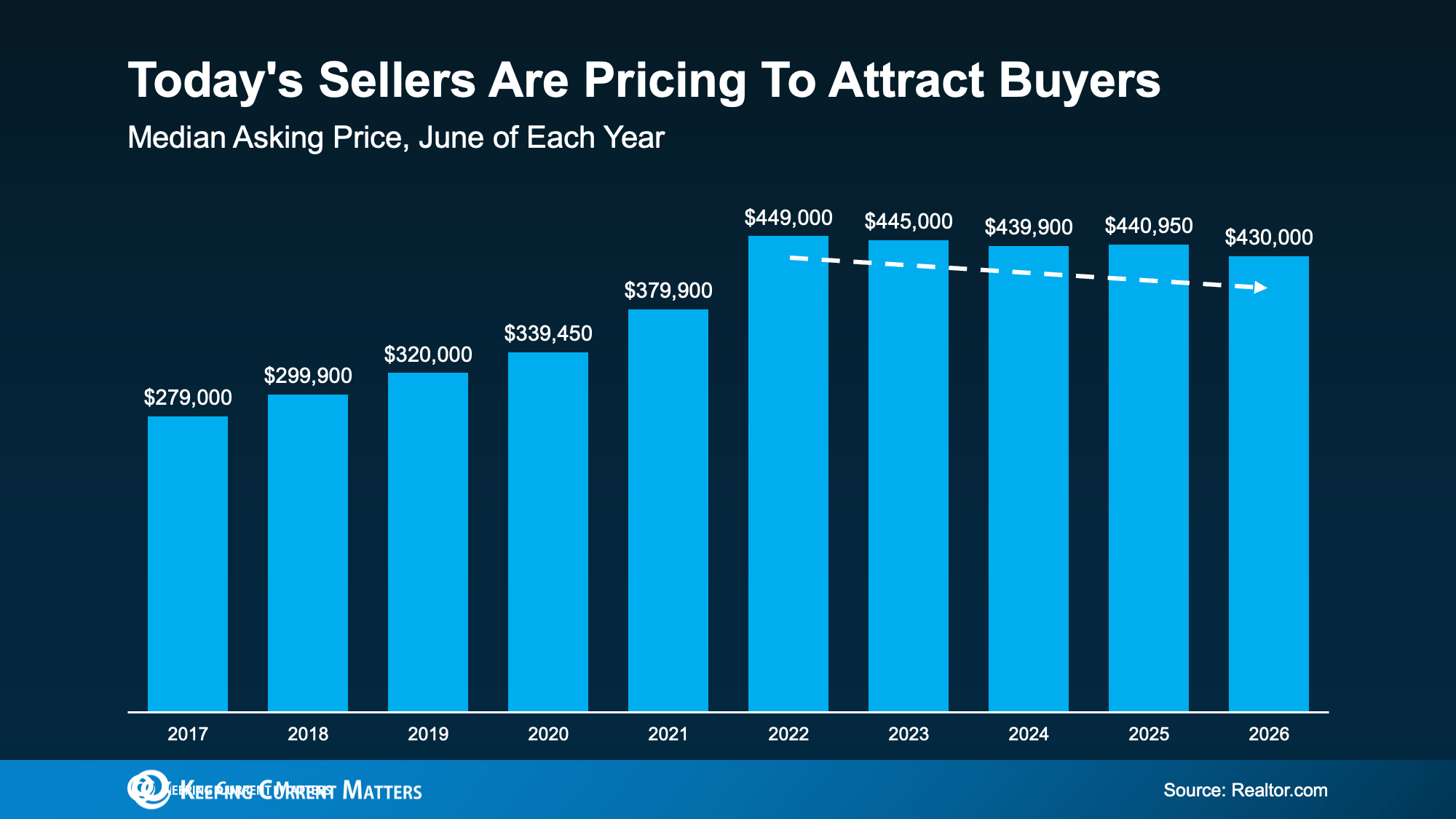
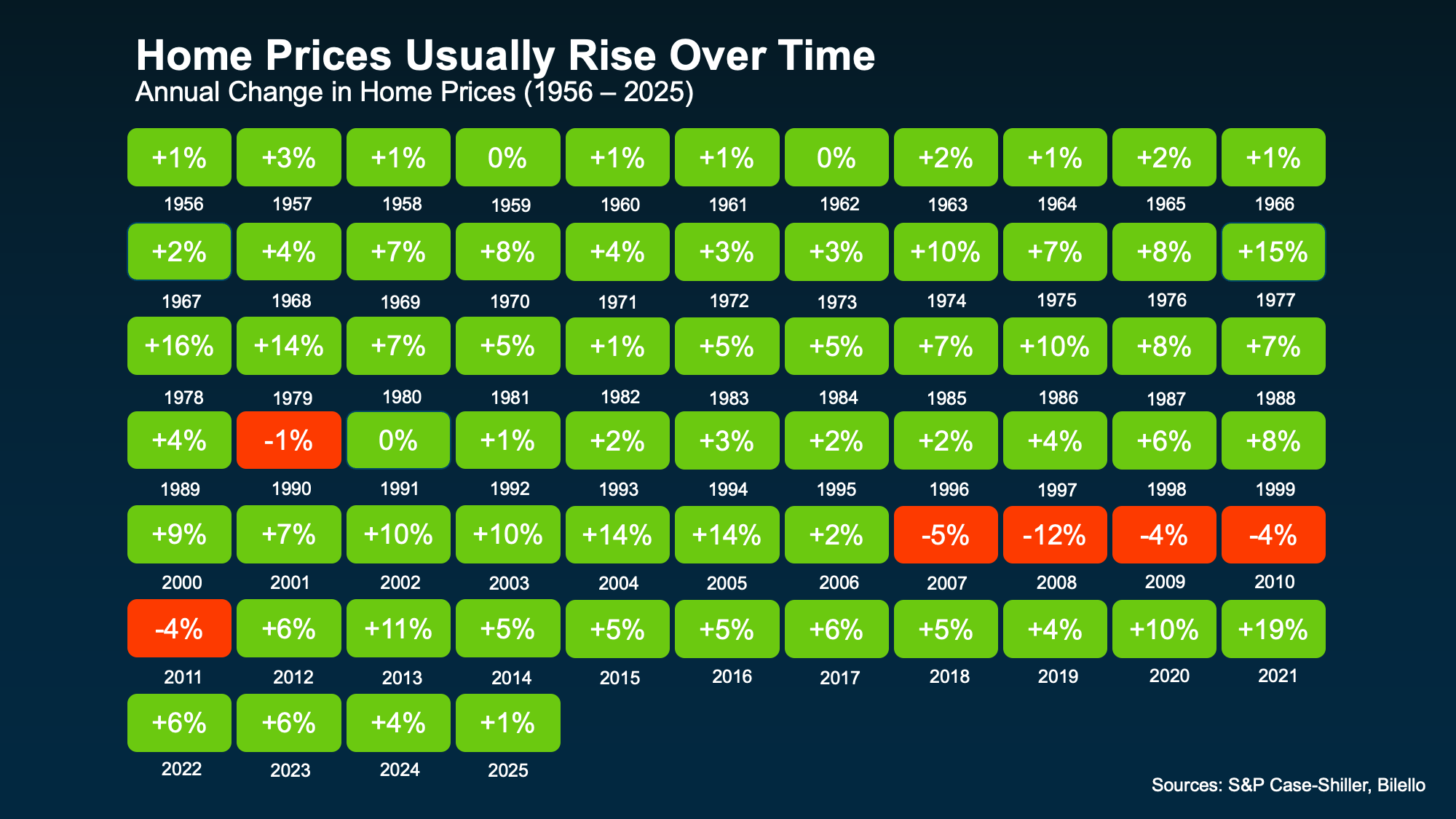
- High demand, limited new housing, restrictive zoning in many neighborhoods, and construction costs contribute to some of the highest rents and home prices in the country.
- Long commutes, overcrowded apartments, and people living far inland are common responses to cost.
-
Homelessness and displacement
- The number of unhoused people is large and visible, with encampments and vehicles used as homes in many areas.
- This is tied to housing affordability, wage stagnation, mental health, addiction, and gaps in the safety net.
-
Safety and policing
- Public safety concerns are real, but experiences vary drastically by neighborhood.
- Policing, reform, and community-based approaches to safety are major topics of political and social debate.
2.6 Environment and Climate
-
Air quality and emissions
- Air quality improved compared with earlier decades due to regulations on vehicles and industry, but pollution from freeways, ports, and warehouses still affects many neighborhoods, especially working‑class and minority communities.
-
Water and drought
- LA imports much of its water from distant sources and faces ongoing drought risk.
- Water conservation, recycling, and changes in landscaping (less lawn, more drought-tolerant plants) are increasingly normal.
-
Heat, fire, and resilience
- Extreme heat waves affect the city more often, especially in inland and low‑income neighborhoods with fewer trees and air‑conditioning access.
- Wildfires in the region’s hills and mountains, along with smoke, have become a regular seasonal concern.
- Urban planning now must integrate shade, cooling centers, emergency preparedness, and wildfire‑resilient design.
3. Entertainment, Media, and Digital Culture (Region-Wide)
-
Creative industries
- Major studios anchor film and TV, while streaming platforms, independent producers, and global co‑productions create a constant flow of content.
- The region is a global hub for influencer culture, online video, podcasting, and social‑media‑driven entertainment.
-
Tourism & attractions
- Studio tours (Universal, Warner Bros., Sony, Paramount), Disneyland Resort, Universal Studios Hollywood, theme-park expansions, arenas, and concert venues draw millions of visitors each year.
- Major events (film festivals, award shows, concerts, sporting events) are constant features of the calendar.
4. Education and Innovation
-
Universities and research centers
- UCLA, USC, UC San Diego, UC Irvine, Caltech, and other institutions are major centers for research, teaching, and innovation.
- They lead in AI, computer science, aerospace, climate science, oceanography, medicine, biotech, and film and media studies.
-
Innovation corridors
- West LA and Santa Monica (“Silicon Beach”), Downtown LA, Orange County, and San Diego’s research districts host startups and labs in software, life sciences, clean tech, and defense technologies.
- Incubators and accelerators link students, researchers, and investors across the region.
5. Landscape, Leisure, and Climate Pressures
-
Beaches and coast
- Santa Monica, Venice, Malibu, Huntington Beach, Newport, Laguna Beach, La Jolla, and more are central to surfing, running, skating, beach volleyball, and general recreation.
- Coastal communities are balancing tourism with coastal erosion, sea‑level rise, and pressure on local infrastructure.
-
Mountains and deserts
- Nearby mountain ranges offer hiking, camping, and winter sports when conditions allow.
- Desert areas, including Palm Springs and the Coachella Valley, attract visitors with resorts, golf, music festivals, architecture, and hiking, while facing increasing heat and long‑term water concerns.
-
Cultural and scientific destinations
- Griffith Observatory, the Huntington, Getty Center and Villa, LACMA, the Broad, the Academy Museum, the San Diego Zoo and Safari Park, and Balboa Park remain key regional attractions.
- Many smaller cultural institutions and community museums highlight specific ethnic, neighborhood, and historical stories.
6. Industry, Ports, and Logistics
-
Ports and trade
- The Ports of Los Angeles and Long Beach form one of the largest container port complexes in the world, crucial for trade between North America and Asia.
- Port operations, trucking, and freight rail support national and global supply chains, while raising air‑quality and traffic concerns in nearby communities.
-
Logistics and warehousing
- Large parts of the Inland Empire and industrial corridors around the ports are covered with warehouses and distribution centers.
- These support e‑commerce and retail, but also intensify debates about land use, labor standards, and environmental justice.
-
Aerospace and space
- Southern California is a key center for aerospace and defense: advanced aircraft, satellites, drones, and space launch technology.
- Legacy firms and newer space companies coexist with university research labs and specialized suppliers.
7. San Diego–Tijuana: A Binational Urban Area
-
San Diego
- A major city with strong sectors in biotech, defense, tourism, and higher education (UC San Diego, SDSU, USD).
- Balboa Park, beaches, the harborfront, and a strong craft beer and food scene are central to its culture and tourism.
-
Border and Tijuana
- The San Diego–Tijuana border crossing is one of the busiest in the world.
- The area supports dense cross‑border trade, commuting workers, families, and binational businesses, under tight border controls.
- Tijuana is a large metropolitan city in its own right, with manufacturing, culinary innovation, nightlife, and arts; many lives span both sides of the border.
8. Society, Challenges, and Change
-
Housing and homelessness
- High housing costs and limited supply contribute to overcrowding, long commutes, and displacement.
- Visible homelessness is a defining regional issue, with encampments and vehicle dwelling common in urban and suburban areas.
-
Environment and climate
- The region relies heavily on imported water and remains vulnerable to drought.
- Air quality has improved over decades but still disproportionately affects communities near freeways, ports, and industrial zones.
- Wildfires, extreme heat, and coastal impacts are central to planning, insurance, infrastructure decisions, and public health.
-
Culture and public life
- Southern California is a center for environmental justice, immigrant rights, labor organizing, LGBTQ+ advocacy, and diverse religious and spiritual communities.
- Everyday culture is expressed in neighborhoods, food, street art, music scenes, festivals, and community organizations as much as in mainstream entertainment.
9. Overall Character
Southern California today is:
- A vast, multiethnic, multilingual urban region,
- A global center for entertainment, digital culture, ports and trade, research, and innovation,
- A place of striking natural landscapes and rich cultural life,
- And a region facing some of the country’s most intense challenges around housing, inequality, climate impacts, and infrastructure.
Categories
Recent Posts





GET MORE INFORMATION