First-Time Buyer Programs in California: What's Available in 2026
 The gap between LA rents and LA down payments feels unbridgeable — until you learn how much help actually exists. California runs some of the most generous first-time buyer programs in the country, and most eligible buyers have never heard of them. Here is the 2026 landscape, what is open right now, and how to position yourself.
CalHFA MyHome: The Workhorse Program (Open Year-Round)
The MyHome Assistance Program provides a deferred-payment junior loan of up to 3% of the purchase price (3.5% for FHA) to cover down payment or closing costs. "Deferred" is the key word: no monthly payments — you repay it when you sell, refinance, or pay off the first mortgage.
Requirements in brief: first-time buyer (no ownership in the last 3 years), the home is your primary residence, income under CalHFA's county limits (generous in LA County — many dual-income households qualify), a required homebuyer education course, and working with a CalHFA-approved lender.
Dream For All: The Big One (Watch the Windows)
California's shared-appreciation program — up to 20% of the purchase price for a down payment, repaid with a share of your appreciation when you sell — runs in periodic application rounds. The 2026 round closed on March 16; applicants are hearing back via the DFA portal now. If you missed it, two moves: (1) get on CalHFA's notification list for the next round, and (2) do not wait idle — MyHome and lender programs can bridge you into a home sooner, often for less total cost than waiting another year of rent and price growth.
CalPLUS with ZIP
CalHFA's CalPLUS first mortgage pairs with the ZIP (Zero Interest Program) — an additional deferred junior loan for closing costs at 0% interest. Slightly higher rate on the first mortgage in exchange for cash you do not have to bring to the table.
Beyond CalHFA: The Stack Most Buyers Miss
- LA-area local programs: LAHD's LIPA/Moderate Income Purchase Assistance programs periodically open with substantial deferred loans for qualifying buyers within city limits — funding windows come and go, so check status when you start shopping.
- Lender grants: several major banks offer $7,500–$17,500 grants in eligible LA census tracts — these stack with CalHFA in many cases.
- FHA (3.5% down) and conventional 3–5% down loans: the foundation many of these programs sit on — you do not need 20% down; most of my first-time buyers put down far less.
- VA loans: zero down for eligible veterans — still the best mortgage in America.
What This Looks Like on a Real Purchase
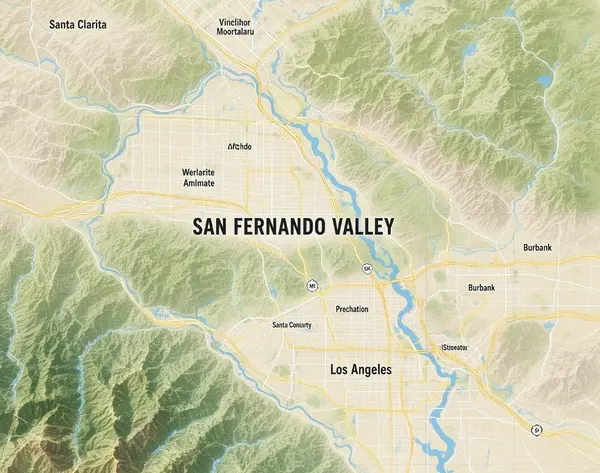
Take a $750,000 Valley condo or starter home: an FHA loan needs $26,250 down (3.5%). MyHome can contribute up to ~$26,250 — potentially covering the entire down payment — and ZIP or seller credits can absorb much of the closing costs. Realistic cash-to-close for a well-positioned first-time buyer: a fraction of what most renters assume.
How to Position Yourself Now
- Take the homebuyer education course early — it is required, cheap, and the certificate is good for the programs above.
- Get underwritten with a CalHFA-approved lender so you can move the moment a program window or the right home opens.
- Mind the income limits strategically: limits are per-county and change annually; timing an application year matters for borderline households.
- Do not double-count help: program layering has rules — an experienced lender-agent team keeps the stack compliant.
Your Next Step
I work with CalHFA-approved lenders and help first-time buyers across the Valley put these stacks together — including deciding whether waiting for the next Dream For All round beats buying now with MyHome. Tell me your income, savings, and target area and I will map your realistic options — or start by running payments on our mortgage calculator and reading our rent-vs-buy analysis.
Program terms and funding availability change frequently — verify current status at calhfa.ca.gov before making decisions.
Categories
Recent Posts






GET MORE INFORMATION