Selling a Home in 10 Steps
Selling Your Los Angeles Home: The 10-Step Roadmap
Selling a home in Los Angeles involves navigating one of the most dynamic, heavily regulated real estate markets in the country. From strict California disclosure laws to local city retrofits and specific tax structures, maximizing your return requires a precise, localized strategy.

Here is the exact step-by-step process to successfully sell your property in LA.
Step 1: Establish Your Timeline and Begin Decluttering
The moment you decide to sell, start simplifying your space. Because LA buyers pay a premium for square footage, maximizing the visual flow of your home is critical. Ideally, give yourself three to six months to prepare.
-
The LA Market Cycle: Spring and early summer are traditionally the most active periods in Los Angeles as families aim to move before the new school year. However, low inventory in prime micro-markets can make a fall or winter launch highly effective.
-
Assess Your Position: Determine your equity position, evaluate if you will need a rent-back agreement (allowing you to stay in the home after close while you find your next property), and establish a clear moving timeline.
Step 2: Partner with a Local Real Estate Expert
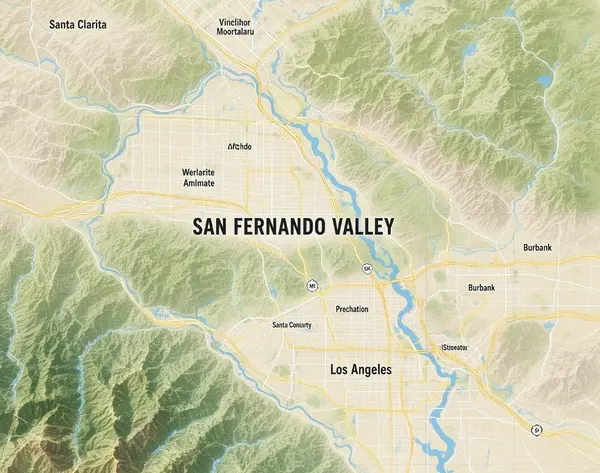
The Los Angeles market changes block by block. Partnering with an agent who understands the nuances of your specific neighborhood—whether it’s the San Fernando Valley, the Westside, or Northeast LA—is essential.
-
The Post-Settlement Reality: Under modern industry rules, commissions are negotiable, and buyers must sign representation agreements before touring. While you are not required to offer a concession to a buyer’s agent, doing so in LA remains a highly effective strategy to maximize your buyer pool and reduce friction.
-
Strategy & Tech: Your agent should have a robust marketing tech stack, including targeted digital syndication, hyper-local database matching, and high-end video marketing to capture out-of-area and international buyers.
Step 3: Complete Repairs and Handle Mandatory LA Retrofits
Cosmetic updates like fresh neutral paint, updated lighting fixtures, and manicured landscaping offer the highest return on investment. However, Los Angeles requires specific compliance items that must be certified before a sale can close.
-
Mandatory Retrofitting: Sellers must comply with City and County ordinances, which include installing low-flow toilets and showerheads, securing water heaters with seismic strapping, placing carbon monoxide and smoke detectors in required areas, and—if within LA City limits—installing an automatic seismic gas shut-off valve.
-
The As-Is Myth: Listing a home "as-is" protects you from making optional repairs, but it does not exempt you from mandatory retrofits or mandatory statutory disclosures.
Step 4: Gather Documentation and Master California Disclosures
California has some of the most stringent consumer protection disclosure laws in the nation. Gathering your paperwork early prevents legal liability and escrow delays.
-
The Disclosure Packet: You will need to complete comprehensive, legally binding California Association of Realtors (C.A.R.) forms, including the Transfer Disclosure Statement (TDS) and Supplemental Statutory Disclosure (SSD). You must disclose every known material fact about the property's history.
-
Natural Hazard Disclosure (NHD): Your agent will order an NHD report. Because of LA’s topography, this report explicitly tells buyers if the property sits in a high fire risk brush zone, an earthquake fault line, a liquefaction zone, or a landslide area.
-
Solar & Permitting: Compile invoices, warranties, and permits for any major work done (HVAC, roofs, additions). If you have solar panels, locate the lease or ownership transfer terms immediately.
Step 5: Price Your Home Strategically for the Market
With modern interest rates keeping buyers highly payment-conscious, overpricing a home in LA is a critical mistake. If a property sits on the market past the 21-day mark, it often faces a "stigma" that results in lower offers.
-
Comparative Market Analysis (CMA): Your agent will analyze local "comps"—properties similar in size, condition, and location that have closed within the last 3 to 6 months.
-
The Pricing Trap: Avoid pricing based on what you need to net. Price strictly to market value to drive maximum buyer traffic, generate competing offers, and retain the leverage.
Step 6: Launch High-End Marketing and Launch Showings
In a visual city like LA, your online presentation is your actual first open house.
-
Media Production: Utilize professional architectural photography, twilight shots, and video/drone footage. Note that under current California rules, any use of generative AI tools for virtual staging or property alterations must be transparently disclosed to buyers.
-
The Showing Blitz: Launch with a coordinated schedule—typically hitting the MLS mid-week, followed by a Broker's Caravan for local agents, and public open houses over the weekend. Ensure the home is pristine, well-lit, and climate-controlled.
Step 7: Evaluate, Negotiate, and Accept an Offer
When offers come in, looking at the headline price is only half the battle. In LA, the terms of the contract can be just as critical as the dollar amount.
-
Anatomy of an LA Offer: Evaluate the buyer’s pre-approval strength, verification of down payment funds, the earnest money deposit (typically 3% in California), and the requested contingency timelines.
-
The Power of the Counteroffer: You can issue a Strategic Multiple Counter Offer (SMCO) to negotiate a higher price, shorter contingency periods, or a specific post-closing rent-back agreement.
Step 8: Navigate the Escrow and Inspection Period
Once an offer is formally accepted, the clock starts. In Southern California, a neutral, independent Escrow Company handles the transaction and holds the funds, working alongside a Title Company.
-
The Investigation Contingency: Under the standard California Residential Purchase Agreement (RPA), buyers have a default timeline (often negotiated down from 17 days to 7–14 days) to conduct home, pest, and specialized inspections.
-
The Insurance Hurdle: Because major carriers have restricted writing new policies in California, buyers must open a homeowners insurance file on day one of escrow—especially if the property is located in an LA hillside or brush clearance zone. Expect a Request for Repairs based on the inspection, which your agent will help you negotiate.
Step 9: Finalize the Move and the Walkthrough
Once the buyer removes all contingencies (investigation, appraisal, and loan), their earnest money deposit becomes non-refundable, and you can confidently finalize your moving logistics.
-
Pack and Clear: Arrange for movers 4 to 6 weeks in advance. The home must be completely cleared of all personal property, trash, and debris, and left in "broom-clean" condition.
-
The Final Verification: A few days before closing, the buyer will conduct a Final Verification of Property (Walkthrough) to ensure the home is in the same basic condition as when they agreed to buy it, and that any agreed-upon repairs were completed.
Step 10: Close Escrow and Transfer Ownership
Closing is the culmination of the escrow process, where title transfers and you receive your net proceeds.
-
Signing Off: You will meet with a mobile notary a few days prior to close to sign the Grant Deed and closing adjustments.
-
LA Closing Costs & Taxes: Your final proceeds will have standard deductions, including agent fees, escrow fees, and Title insurance. Be aware of local tax implications:
-
Documentary Transfer Taxes: Standard county and city transfer taxes apply.
-
The ULA "Mansion" Tax: If your property is located inside Los Angeles City limits and sells for over $5 million, a specialized transfer tax (starting at 4%) is deducted entirely from the seller's proceeds.
-
-
Funding and Recording: Once the buyer’s loan funds and the deed is officially recorded at the LA County Registrar-Recorder’s office, the sale is official. Escrow will wire your net proceeds, and you will hand over the keys.
Categories
Recent Posts






GET MORE INFORMATION