The Cost of Overpricing: Why "Testing the Market" Fails in Los Angeles

The Cost of Overpricing: Why "Testing the Market" Fails in Los Angeles
In any real estate market, pricing strategy dictates your final outcome. But in Los Angeles—where real estate commands a substantial premium and buyers are hyper-aware of their monthly payments—overpricing your home is one of the most financially damaging mistakes a seller can make.
Many sellers fall into the trap of wanting to "test the market," assuming they can start high and simply lower the price later if they don't get any bites. In today's LA market, that strategy routinely backfires, costing sellers time, leverage, and ultimately, cold hard cash.
The Modern LA Buyer is Hyper-Payment-Conscious
The days of buyers flinging blind, over-asking offers at overpriced homes are gone. With current mortgage rates holding steady, today's buyers are intensely focused on their monthly bottom line. They aren't just looking at the purchase price; they are calculating the exact cost of principal, interest, taxes, and insurance.
When a property is priced above true market value, it immediately eliminates a massive pool of qualified buyers who might have competed for the home if it were priced correctly. Instead of generating excitement, an inflated price tag signals to the market that the seller may be unrealistic or difficult to negotiate with, causing active buyers to simply swipe past the listing.
The 21-Day Stigma Rule
Real estate momentum is a perishable commodity, especially in Southern California. The first 14 to 21 days a property is on the Multiple Listing Service (MLS) represents your peak window of opportunity. This is when your listing experiences a "honeymoon period," receiving maximum exposure from automated buyer alerts, broker previews, and weekend open houses.
If your home sits past the three-week mark without an offer, a psychological shift occurs in the market. LA buyers and savvy local agents start asking the same damaging question: “What’s wrong with that house?”
Once a property develops this "stigma," it loses its competitive edge. The listing becomes stale, and the power dynamic completely shifts from the seller to the buyer.
The Trajectory of a Price Drop vs. Pricing Right
When an overpriced home sits on the market, the seller is eventually forced to execute a price reduction. However, a price drop rarely triggers a bidding war. Instead, it often acts as a beacon for bargain hunters and opportunistic buyers.
Consider the two paths an LA sale can take:
| Strategy | Market Activity | Final Outcome |
| Pricing Exactly at Market Value | Drives heavy foot traffic to the initial open houses, creates a sense of urgency, and often prompts multiple competing offers. | Seller retains complete leverage, dictates clean contract terms, and often closes at or above list price. |
| "Testing the Market" (Overpricing) | Low initial showings, zero offers during peak exposure, followed by a stale listing and a forced price cut weeks later. | Attracts lowball offers from buyers who know the seller is getting desperate. Usually closes below what market value originally was. |
Chase the Market Down, or Lead the Market Up?
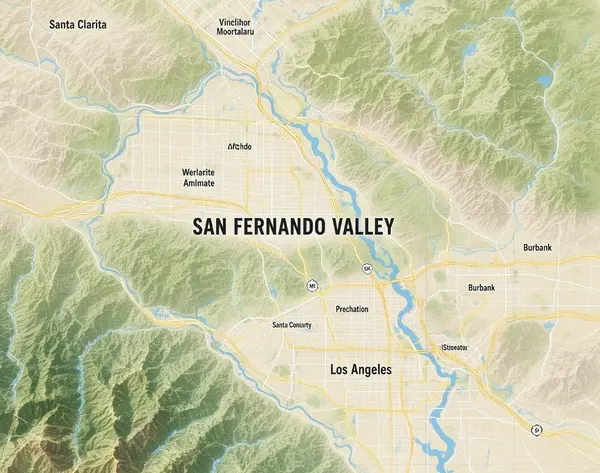
When you price your home accurately based on recent neighborhood comparable sales ("comps"), you aren't leaving money on the table—you are creating a funnel. In micro-markets across the San Fernando Valley, the Westside, or Northeast LA, a correctly priced home generates the kind of competitive energy that naturally drives the final sales price upward.
Conversely, overpricing forces you to chase the market down. By the time you lower the price to where it should have been on day one, buyers have moved on to newer listings, and you are left negotiating from a position of weakness.
The Bottom Line
In Los Angeles real estate, your initial list price is your loudest marketing statement. Testing the market with an inflated number doesn't give you "room to negotiate"—it gives your competition a distinct advantage by making nearby, correctly priced homes look like a bargain.
If you want to maximize your net proceeds at the closing table, skip the guesswork. Trust the data, price precisely at market value from day one, and let the market's natural demand work in your favor.
Categories
Recent Posts







GET MORE INFORMATION