U.S. Home Prices Hit All-Time High Despite Sluggish Sales
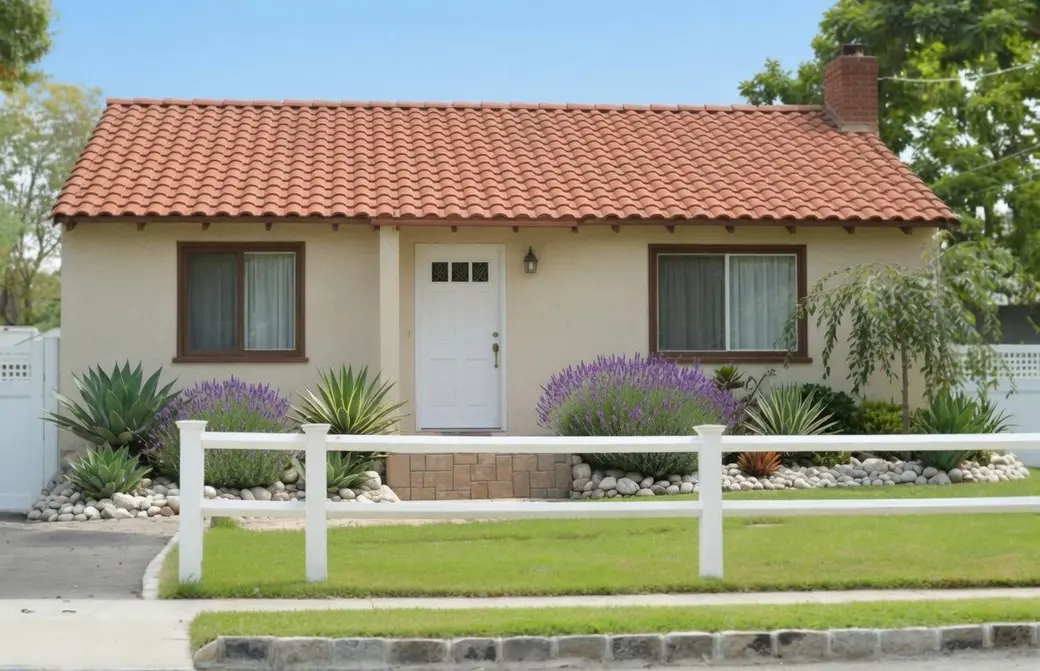
The latest reading from the National Association of Realtors paints a clear picture of the current housing market: prices are setting records even as transaction volumes remain constrained. According to the NAR’s June 2026 Existing-Home Sales report, the median price of existing homes reached an all-time high of $440,600, up 1.8% from a year earlier. Single-family homes hit $446,400, also up 1.8% year-over-year.
At the same time, existing-home sales posted a seasonally adjusted annual rate of 4.09 million units — down 2.4% from May and still near multi-decade lows, despite a modest 2.8% increase from June 2025. Inventory stood at 1.56 million units, or 4.6 months of supply, a level that continues to favor sellers in most markets.
This combination — record prices alongside relatively sluggish sales — is the central story of the 2026 housing market.
Why Prices Keep Climbing
The driver is not surging buyer demand in the classic sense. It is the ongoing shortage of homes available for sale. Many owners who secured low mortgage rates in 2020–2021 are reluctant to list and trade into today’s higher-rate environment. Others are simply staying put. With buyer interest supported by steady job growth still exceeding the available supply in desirable areas, prices continue their long climb.
This marks the 36th consecutive month of year-over-year price gains nationally. The Western region posted a median of $633,600, while the Northeast reached $564,800. Even in the more affordable Midwest and South, prices rose modestly.
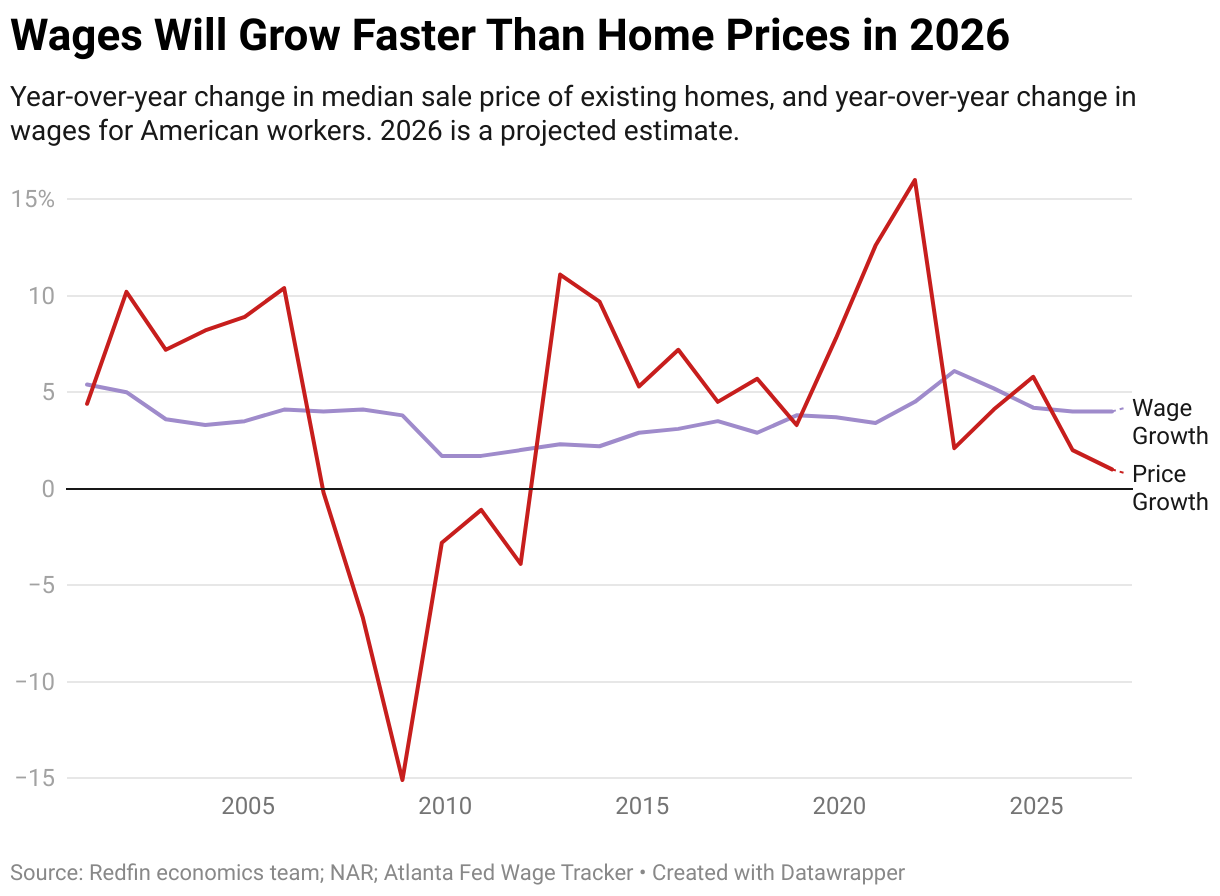
NAR Chief Economist Lawrence Yun pointed out that affordability has actually improved slightly compared with a year ago. Wage growth has outpaced home-price growth, and the Housing Affordability Index rose to 102.3 from 95.5. Average 30-year fixed mortgage rates in June sat around 6.49%, down from peaks above 7% in prior years but still well above the ultra-low levels many current owners enjoy.
What This Means for Sellers
For current homeowners, the data reinforces a practical reality: well-priced homes in good condition continue to find buyers and preserve — or grow — equity. The equity story remains intact for most sellers who bought or refinanced in recent years.
The key qualifier is “priced correctly.” In an environment where buyers are rate-sensitive and inventory is limited but not nonexistent, overpriced listings tend to sit longer and eventually require adjustments. Homes that are realistically positioned relative to recent comps, professionally staged or updated, and marketed effectively still move.
Sellers who need or want to relocate — whether upsizing, downsizing, or moving for lifestyle or job reasons — can still capitalize on years of appreciation. The challenge is often finding the next property in a similarly tight market. Those who plan carefully and work with experienced professionals tend to navigate the transition more smoothly.
What This Means for Buyers
For buyers, the headline is undeniably frustrating. High prices plus mortgage rates near 6.5% translate into higher monthly payments than many expected even a couple of years ago. Sales volume near 30-year lows reflects how many households have been priced out or are choosing to wait.
Yet the picture is not entirely one-sided. Modest year-over-year sales gains in several regions, a slight uptick in first-time buyer participation, and gradually improving (though still limited) inventory in some markets create pockets of opportunity. Properties that have been on the market longer sometimes offer room for negotiation on price, closing costs, or repairs.
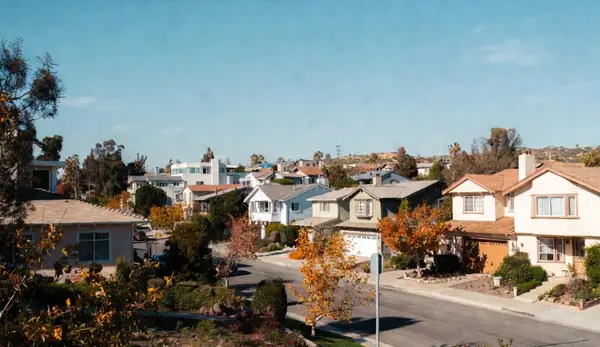
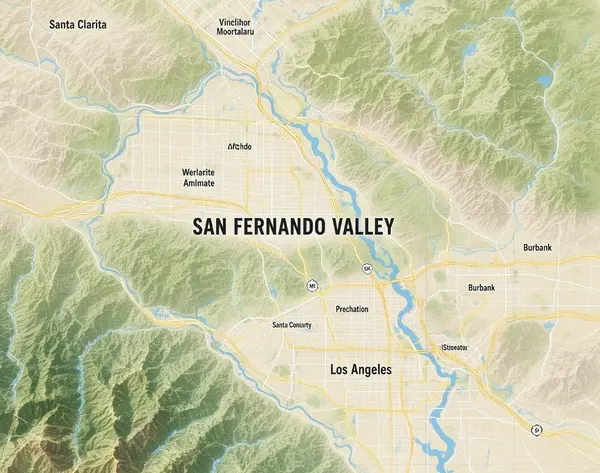
In high-cost coastal markets such as Southern California, these national dynamics are amplified. Local medians far exceed the national figure, and desirable neighborhoods in the San Fernando Valley, Beverly Hills, and surrounding communities often see strong competition when quality inventory appears. The luxury and move-up segments can be particularly resilient because qualified buyers and investors continue to compete for scarce, high-quality properties.
The Bigger Picture and Outlook
The U.S. housing market is in a prolonged adjustment phase. Chronic under-building over the past 15+ years, combined with the rate-lock effect on existing owners, has created a structural supply shortage that price signals alone have not yet fully resolved.
NAR’s Yun stressed that consistent growth in inventory — from both existing homeowners listing and new construction — is essential for meaningful long-term affordability gains. Without it, prices can remain firm or accelerate even as sales volumes recover gradually.
Other variables to watch include:
- Further movement in mortgage rates
- Employment trends and wage growth
- How many “rate-locked” owners eventually decide to move
- Regional differences in new construction and migration patterns
Most analysts expect a slow grind toward better balance rather than a sharp correction or boom. Sales volumes are forecast to improve modestly over time, while price growth is likely to moderate from recent peaks but remain positive in many markets.
Practical Takeaways
- Sellers: Focus on realistic pricing, strong presentation, and professional marketing. Equity is generally holding; the goal is to capture it without leaving the property on the market too long.
- Buyers: Get fully pre-approved, work with an agent who knows the local micro-market, and stay flexible on timing and property type. Opportunities exist, especially on homes that have lingered or in slightly less competitive segments.
- Both: Recognize that this is a market where preparation and realistic expectations matter more than timing the absolute bottom or top.
The headline “U.S. Home Prices Hit All-Time High Despite Sluggish Sales” captures the tension perfectly. It is not a market of runaway speculation or collapsing demand — it is a market shaped by limited supply meeting selective but persistent buyer interest. For those ready to buy or sell with clear goals and good advice, the data shows there is still a path forward.
Categories
Recent Posts







GET MORE INFORMATION