Will Home Prices and Rents Fall in the San Fernando Valley and Greater LA Over the Next Decade?
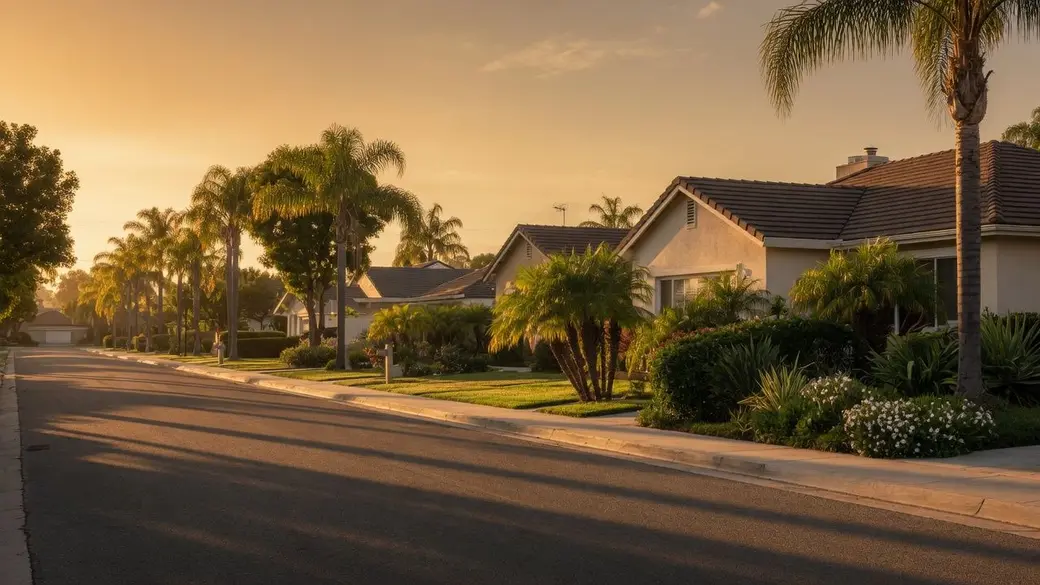
Will Home Prices and Rents Fall in the San Fernando Valley and Greater LA Over the Next Decade?
After years of record-high prices and stubbornly high mortgage rates, many buyers in Los Angeles are hoping for relief. In neighborhoods across the San Fernando Valley and just over the hill, it’s natural to wonder: Will home prices and rents finally come down meaningfully in the next 10 years?
Here’s a realistic assessment focused on our local market.
Why Price Relief Has Been Hard to Come By in LA
The San Fernando Valley and many “Over the Hill” neighborhoods have some of the most persistent supply constraints in the entire country. Even during periods of higher interest rates, prices have remained remarkably resilient. There are several structural reasons for this:
- Extremely limited land for new construction in desirable pockets.
- High construction costs combined with strict local regulations and lengthy approval processes.
- Very strong long-term demand from families who want good schools, proximity to jobs in entertainment and tech, and the classic Southern California lifestyle.
- A large number of homeowners who refinanced at low rates and are reluctant to sell.
These factors have created a market where even modest increases in inventory are often absorbed quickly.
What Could Push Prices or Rents Lower Locally?
There are a few developments that could create more breathing room:
- The new federal housing law (the 21st Century ROAD to Housing Act) and California’s ongoing housing production laws are designed to increase supply over time through faster permitting, more ADUs, and incentives for certain types of construction.
- Higher interest rates have already cooled buyer demand compared to 2020–2022.
- Some new multifamily and build-to-rent projects are coming online in parts of the Valley.
In theory, more homes on the market should eventually ease pressure on both prices and rents.
Why Significant Declines Are Still Unlikely Here
Despite these factors, most evidence suggests that broad, meaningful price declines in the San Fernando Valley and prime Over the Hill areas are unlikely over the next decade. Here’s why:
Supply increases will be gradual and limited Even with policy changes, adding meaningful new housing in established, high-demand neighborhoods like Encino, Woodland Hills, Sherman Oaks, or Beverly Hills takes years. Zoning restrictions, neighborhood opposition, and high building costs limit how much new supply can realistically come online in the most sought-after pockets.
Replacement cost remains high In many parts of the Valley and Over the Hill, it costs a great deal to build a new home. This creates a natural floor under existing home values.
Demand remains structurally strong These areas continue to attract families and professionals who prioritize location, schools, and lifestyle. International buyers and cash investors also remain active in certain segments.
Historical behavior of LA housing Los Angeles has a long track record of price resilience. Even during past downturns, many of the better neighborhoods saw only modest or temporary declines before recovering.
What’s Most Likely to Happen Locally
The more probable scenario for the San Fernando Valley and Over the Hill over the next 5–10 years is slow to moderate price growth, not significant declines.
- Prices may rise at or below the rate of inflation in many neighborhoods.
- In real (inflation-adjusted) terms, values could feel relatively flat for periods of time.
- Some softening is possible in the highest price segments or in homes that need significant work, especially if mortgage rates remain elevated.
- Rents are likely to grow more slowly than they did during the pandemic years, particularly for apartments, but single-family home rents in desirable Valley and Over the Hill locations should remain relatively firm due to limited supply.
In short, we’re more likely to see a normalization of the market rather than a broad correction.
What This Means for Buyers and Sellers
For buyers in the Valley and Over the Hill: Waiting for a major price crash carries real risk. In these supply-constrained markets, the combination of high rents and potential missed appreciation can be costly. Buyers who can afford today’s rates and find the right property may be better off acting when they find something that fits, rather than holding out for significantly lower prices that may not materialize.
For sellers in the Valley and Over the Hill: Well-priced, well-prepared homes in good locations should continue to attract interest. The market will likely feel more balanced than it did a few years ago, giving buyers more time to make decisions. Pricing realistically from the start will be more important than ever.
The Bottom Line for Los Angeles
While the new federal and state housing policies are positive steps toward increasing supply, the San Fernando Valley and many Over the Hill neighborhoods are likely to remain among the more resilient housing markets in the country. Significant, sustained price or rent declines are not the most probable outcome over the next decade.
Instead, expect a slower, more balanced market where well-located properties continue to hold their value relatively well, and buyers gain modestly more negotiating power than they had during the pandemic years — but without the dramatic price drops some are hoping for.
If you’re considering buying or selling in Encino, Woodland Hills, Sherman Oaks, Beverly Hills, or surrounding areas and want to discuss how these longer-term trends might affect your specific plans, feel free to reach out. Local knowledge still matters most in a market as unique as Los Angeles.
Categories
Recent Posts







GET MORE INFORMATION